Solar Power Basics: Clear Guide for Beginners
Solar Powered Project
1 min read
Learn what solar power is, how it works, and the key pros and cons. Clear explanations and next-step links for beginners.
Key takeaways
- Solar panels convert sunlight into usable electricity.
- Systems can be grid-tied, hybrid, or off-grid.
- Costs depend on size, components, and installation.
What solar power is
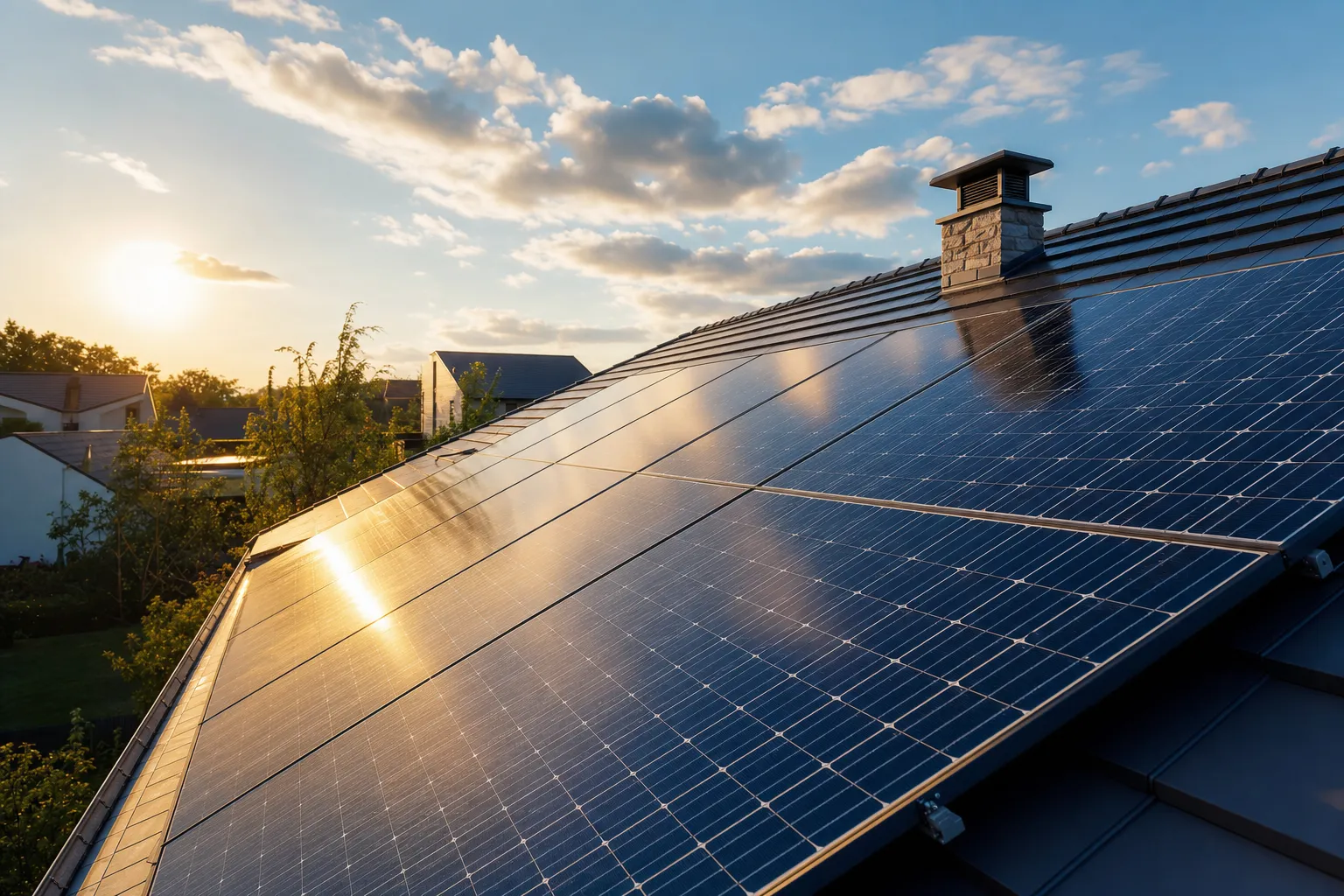
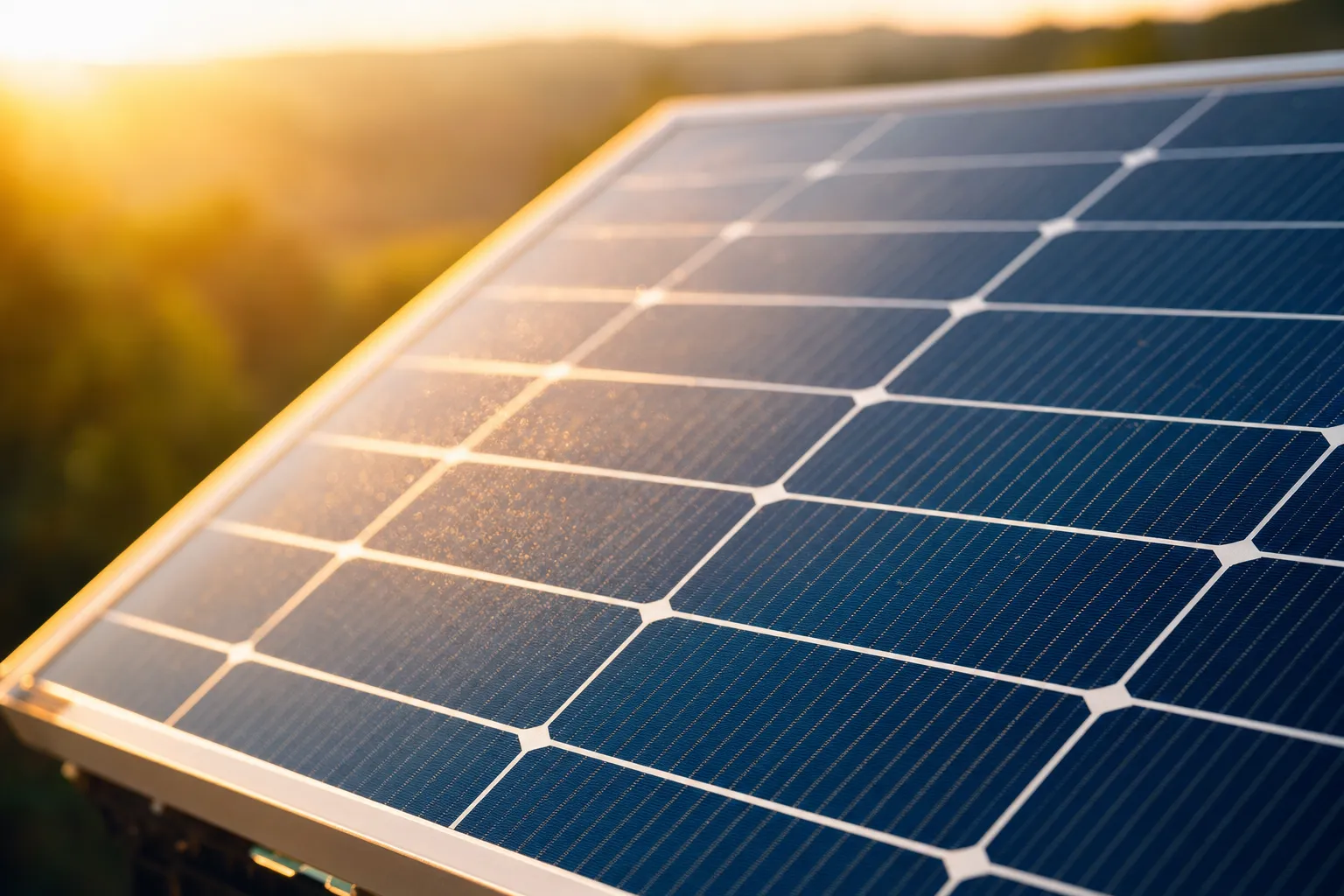
Solar power uses photovoltaic (PV) panels to turn sunlight into direct current (DC) electricity. An inverter converts that DC into alternating current (AC) for typical appliances.
How solar systems work
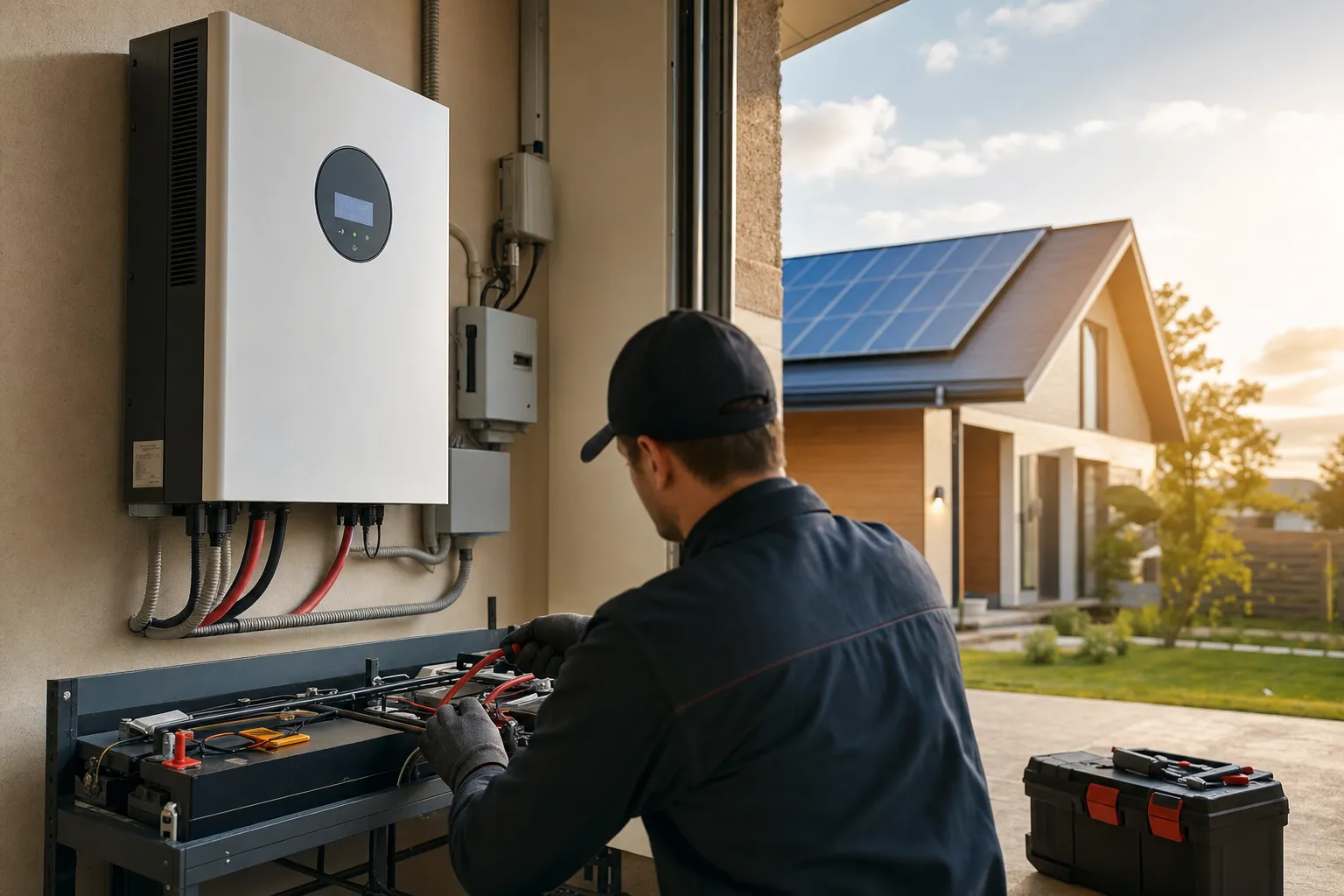
A complete system includes panels, an inverter, wiring, and often a battery. The flow is: sunlight → panel output → charge controller (optional) → inverter → appliances.
Related: Solar components explained How to size a system
Pros and cons
| Pros | Cons |
|---|---|
| Lower long-term energy cost | Upfront equipment cost |
| Quiet, low maintenance | Output depends on sunlight |
| Scales for many use cases | Requires correct sizing |
Next logical reads
How to size a solar system Solar system cost breakdown MPPT vs PWM charge controllers