MPPT Charge Controller Cost: Typical Prices + How to Budget
MPPT solar charge controller cost explained: typical price ranges, MPPT vs PWM pricing, and sizing checks to avoid buying the wrong unit.
Table of contents
Quick answer MPPT vs PWM cost comparison What drives controller cost How to avoid buying the wrong size Common mistakes FAQ
Quick answer: typical MPPT controller price ranges
MPPT controllers often land in a broad band depending on voltage class, current rating, and features.
| MPPT controller class | Typical price range | Common fit |
|---|---|---|
| Small (low amps, basic) | $120–$250 | Small RV/cabin starter systems |
| Mid-range | $250–$600 | Moderate off-grid systems |
| Higher-end / higher voltage | $600–$1,200+ | Larger arrays, higher voltage input limits |
If you’re building a full budget, anchor it here: solar system cost breakdown.
MPPT vs PWM cost comparison
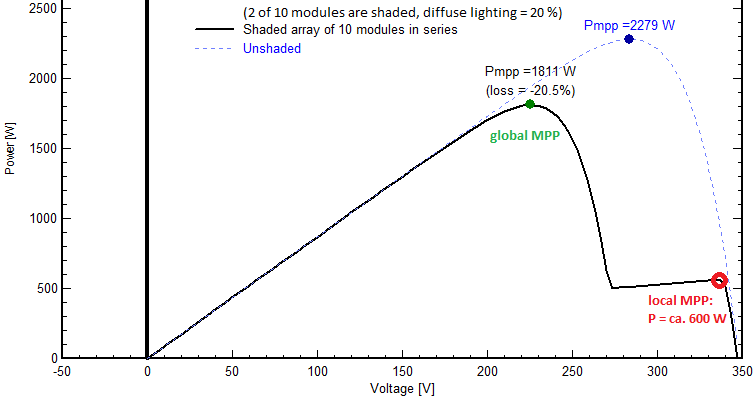
PWM controllers are cheaper and simpler. MPPT controllers cost more but can convert higher panel voltage more effectively and often improve harvest in mixed conditions.
| Factor | MPPT | PWM |
|---|---|---|
| Typical price | Higher | Lower |
| Best fit | Higher-voltage arrays, efficiency priority | Small/basic systems with matched voltages |
| Common reason to upgrade | More harvest + flexibility | Cost savings |
What drives MPPT controller cost the most
1) Array input voltage limit
Higher voltage input limits often cost more. This matters when your panel strings run at higher voltages than your battery bank.
12V vs 24V vs 48V systems How to choose system voltage
2) Output current rating (amps)
Higher current controllers can handle larger arrays charging lower-voltage battery banks, which tends to increase price.
3) Monitoring and protection features
Data logging, remote monitoring, temperature compensation, and protections can affect price bands.
How to avoid buying the wrong controller (simple checks)
Check A: Can the controller accept your panel string voltage?
Compare your array’s maximum voltage to the controller’s input limit. This is a common place people “save money” and then have to replace the controller.
Check B: Can the controller handle your expected charging current?
Estimate your array watts and divide by battery voltage to estimate charge current. Add headroom for safety and real-world conditions.
Solar panel output calculator System sizing overview
Common mistakes that raise total controller cost
- Buying based on “amps only”: input voltage limits matter as much as current rating.
- Skipping headroom: a controller at the edge of specs can trip or run hot.
- Ignoring expansion plans: if you’ll add panels later, plan voltage/current room now.
FAQ
Is MPPT worth the extra cost?
Often, yes when your array voltage is higher than your battery voltage or when you want better performance in mixed conditions.
How much should I budget for a charge controller?
Budget based on array size and voltage class, not a single “typical” number. Larger arrays usually need higher-rated controllers.
Can I use PWM on an off-grid cabin?
Sometimes for small systems, but MPPT is common for efficiency and flexibility as systems grow.
Does controller cost change with battery type?
It can, depending on charging profiles and monitoring needs. Always confirm compatibility with your battery chemistry.
Next logical reads
Solar panel cost per watt Solar inverter cost Solar system cost breakdown Solar components explained