Solar Fuse and Breaker Sizing: A Simple Planning Guide (By Circuit)
Solar fuse sizing and breaker sizing explained with a circuit-by-circuit planning flow: PV array, controller-to-battery, battery-to-inverter, and service disconnects using DC-rated hardware.
Table of contents
Key takeaways What fuses/breakers protect (and what they don’t) The 4 common solar circuits Sizing using labels (avoid guesswork) Placement rules-of-thumb DC-rated checklist Common mistakes FAQ Next logical reads
Key takeaways
- Start by identifying the circuit: PV wiring, controller-to-battery, or battery-to-inverter.
- Size protection using real equipment ratings (labels/specs), not “typical” numbers.
- Use DC-rated devices at the correct voltage rating—AC-only gear is not a substitute.
Solar fuses vs breakers (what to use where) Solar wiring decisions (pillar hub)
What fuses and breakers protect (and what they don’t)
In planning terms, overcurrent protection exists to reduce the chance that a fault turns wiring into a heater. That’s why people often say “fuses protect the wire.”
Helpful framing: protect each circuit at the point where a dangerous fault current could start.
Protection also improves serviceability (being able to isolate parts of the system), but it’s not a substitute for correct cable sizing, tight terminations, or DC-rated disconnects.

The 4 common solar circuits (pick the one you’re sizing)
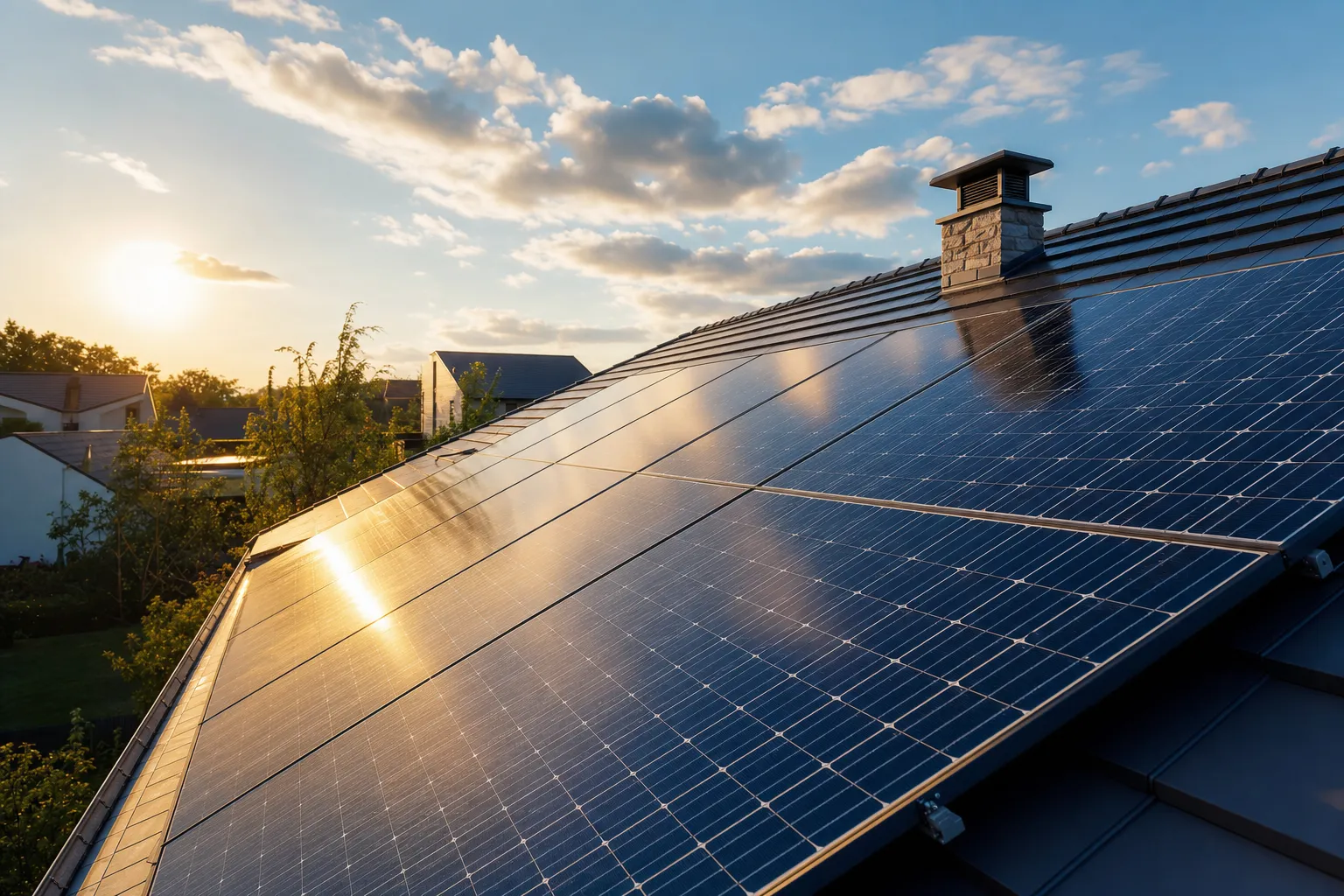
1) PV array → charge controller
This is the panel side. Whether you need string protection depends on how the array is wired (especially parallel strings) and the controller input requirements.
Solar panels: series vs parallel MPPT vs PWM (why input voltage/current matters)
2) Charge controller → battery
This circuit is driven by the controller’s maximum output current. It’s one of the cleanest places to use the controller label as your “source of truth.”
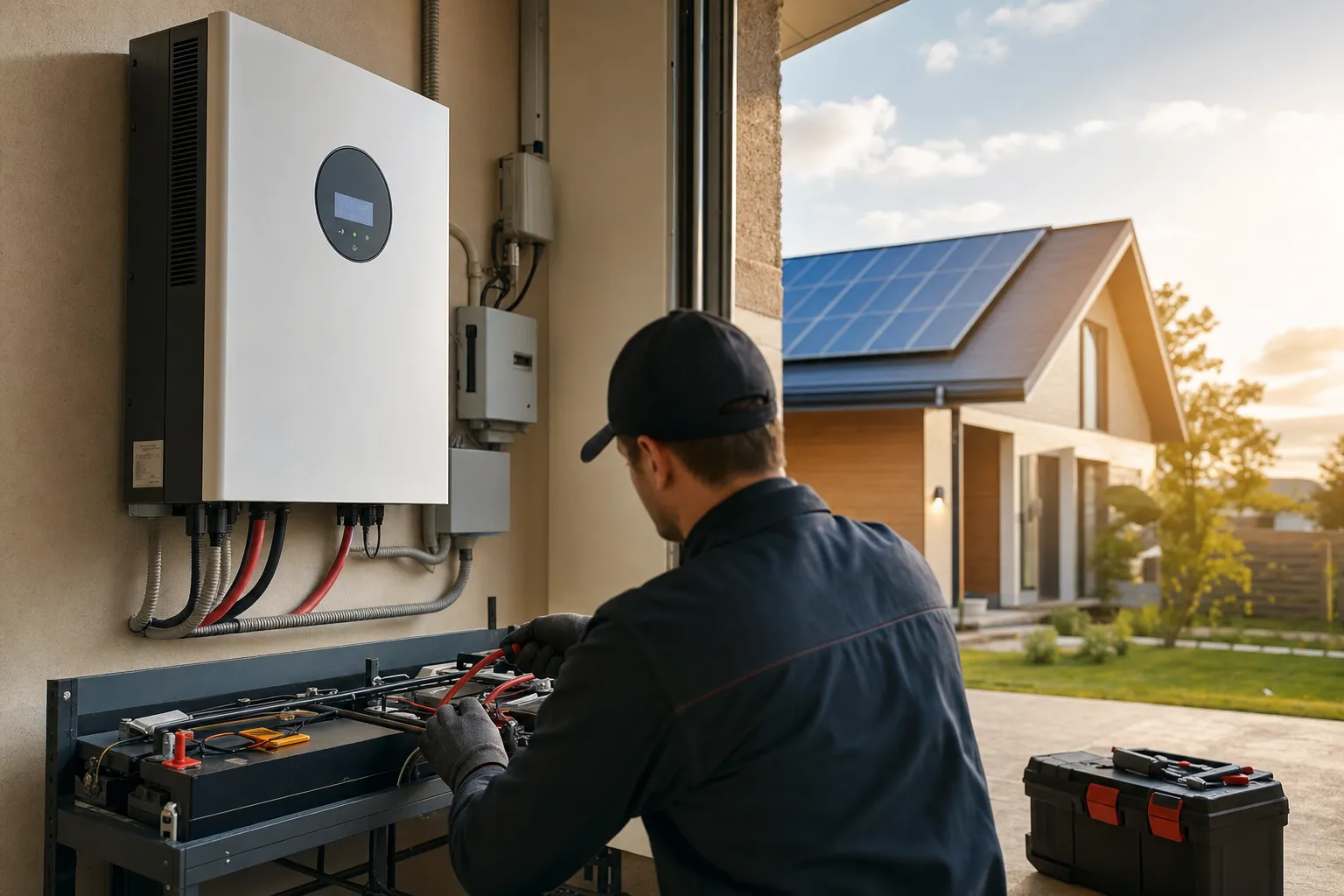
3) Battery → inverter
This is usually the highest current circuit. It’s also the circuit where placement and DC interrupt ratings matter most.
Inverter sizing (watts, surge, draw) Battery cable size for inverters (new guide)
4) Disconnects and service isolation
Even when a disconnect isn’t strictly “required” for a tiny setup, it can be a big quality-of-life improvement for troubleshooting and safe maintenance.
Sizing using labels (avoid guesswork)
Use equipment specs first. You’re looking for the maximum current the device can output or draw on that circuit.
- Charge controller: max output current (battery side)
- Inverter: DC input current guidance and/or power rating (battery side)
- Panels: short-circuit current (Isc) and wiring configuration (array side)
If your system is a blend of sources (solar + alternator + generator + shore power chargers), the battery-side protection plan gets more nuanced. When in doubt, ask a qualified installer/electrician.
Placement rules-of-thumb (planning-level)
- Protect near the source: battery circuits are a classic example because the battery can supply very high fault current.
- Short unprotected runs: keep the section of cable between source and protection as short as practical.
- Accessibility matters: place disconnects where you can actually reach them in an emergency.
Solar wire size (amps + distance + drop) Wiring & protection cost (budgeting guide)
DC-rated checklist (quick sanity check before you buy)
- Voltage rating: device is rated for your system voltage (12V/24V/48V and PV string voltage where relevant).
- Interrupt rating: device can safely open under fault current at that DC voltage.
- Environment: outdoor/UV/water ratings for array-side hardware if exposed.
- Compatibility: terminals accept your cable size without adapters that loosen over time.
If a product page doesn’t clearly state DC ratings, treat that as a red flag.
Common mistakes (and how to avoid them)
- Using AC-only breakers on DC: not interchangeable; DC arc behavior is different.
- Oversizing to stop nuisance trips: fix the cause (loose lug, undersized cable, overload) instead of “bigger fuse.”
- Confusing PV current numbers: Isc vs operating current matters on the array side.
- Protection too far from the battery: long unprotected battery runs raise risk.
- Ignoring system growth: plan for realistic upgrades (bigger inverter, more strings) if they’re likely.
FAQ
Do I need fuses on solar panels wired in parallel?
Sometimes. Parallel strings can allow backfeed current into a faulted string depending on configuration. The safest approach is to follow panel and controller guidance and use appropriate string protection when required.
Breaker vs fuse: which is “better”?
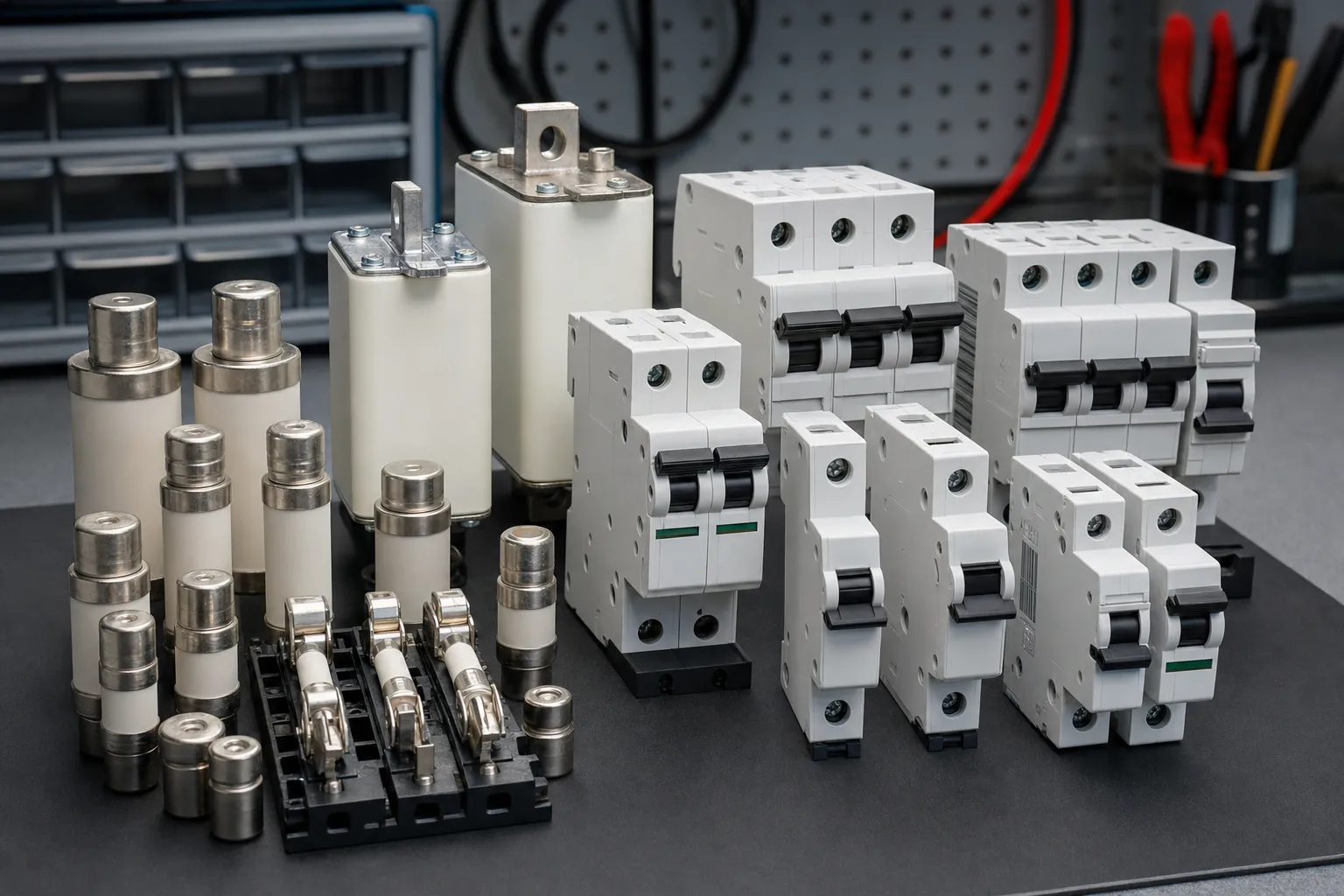
It depends on the circuit and your goals. Breakers can act as a disconnect and reset after troubleshooting; fuses can be simple and robust. Use devices rated for your system’s DC voltage and expected fault current.
What does “DC-rated” actually mean?
It means the device is designed and tested to interrupt current safely on DC at a specified voltage. DC arcs behave differently than AC arcs, so ratings are not interchangeable.
Why does a correctly-sized fuse still blow sometimes?
A fuse can blow due to true overloads, surges, heat from a loose connection, or a short. Treat repeated failures as a diagnostic clue—not a reason to oversize protection.
What’s the safest “first upgrade” for a DIY system?
If your system lacks clear DC-rated disconnects and correctly placed protection, improving isolation and protection can make maintenance and troubleshooting safer.
Next logical reads
Solar fuses vs breakers Series vs parallel panels Solar wire size Wiring & protection cost Solar system sizing